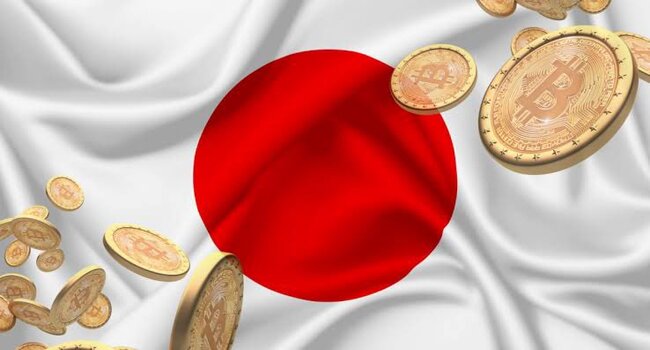
Highlights:
- Japan is advancing a 20% crypto tax to align crypto gains with equities in its new tax reform package.
- Asset managers are preparing new products as trading demand continues to rise.
- Regulators are expanding oversight to more tokens to strengthen controls and build trust.
Japan is advancing a flat 20% tax on cryptocurrency profits in its 2026 tax overhaul. Legislators have favored this change as they desire a framework that aligns with the treatment of equities and investment trusts. Legislators are also seeking to streamline a system that most of the local traders find limiting. Investors have noted that the prevailing progressive tax structure discourages normal trade. The government is advocating for change to establish a framework that is clear and predictable for these reasons.
Advertisement

Good News 🟢 Japan to Cut Crypto Tax Burden to 20% Uniform Rate in Boost for Local Bitcoin Traders
The proposed tax change, supported by the government, will categorize crypto profits under a separate-taxation framework. pic.twitter.com/03TBbywjGr— GainzAlgo (@gainzalgo) December 1, 2025
Japan taxes crypto gains through progressive income bands that reach 55%. This system groups crypto income with salaries and business revenue. Many traders have noted that this mix creates confusion and increases their tax burden during market rallies. The tax rules also delay selling because they fear steep tax bills.
The new plan places crypto gains under a separate 20% tax category. The central government collects 15% while the regional authorities collect 5%. This aligns digital assets with equities, which already follow the same structure. Officials say equal treatment will encourage retail participation and support healthier market activity.
Data from the Japan Virtual and Crypto Assets Exchange Association shows that there are eight million active crypto accounts. Meanwhile, spot trading volume reached $9.6 billion in September. These numbers indicate high engagement despite the existing regulations. The government intends to build on this momentum by making this process more regulated.
Japan Asset Managers Position for Growth Ahead of Crypto 20% Tax Overhaul
Big asset managers are aligning their teams with the impending crypto tax reforms. Nomura Asset Management formed a cross-division group to design new product strategies. Daiwa Asset Management is working with Global X Japan to prepare ETF concepts. In addition, Mitsubishi UFJ Asset Management is studying possible fund models for retail and institutional clients. Meanwhile, Amova Asset Management is reviewing potential offerings.
LATEST: Japan may soon allow crypto investment trusts. Major asset managers such as Daiwa, Asset Management One, Amova and Mitsubishi UFJ are already exploring crypto trusts ahead of regulatory changes.
The FSA plans to shift crypto under the Financial Instruments & Exchange… pic.twitter.com/OwTzqEuso4
— Asian Atoza 艾涛 💫 | AI x Crypto (@TheNFTAsian) November 25, 2025
These companies want operational visibility before expanding product lines. The price standards remain a major issue, as crypto trades 24/7. Custody systems require stronger protection as institutional interest grows. Firms are testing new controls to support rapid settlement and secure asset storage. They are also studying liquidity trends to match future demand.
Domestic exchanges are preparing for a possible rise in trading activity. Many traders say a flat 20% levy will encourage more frequent transactions. A stable tax rate supports both new and long-term investors.
Along with the tax changes, regulators are also developing other measures. Authorities have now positioned digital assets as financial products, which are subject to insider-trading regulations. This action is expected to uphold market integrity and enhance transparency. Agencies have noted that this update will protect users and strengthen oversight across the sector.
Regulators Expand Coverage to 105 Tokens Under New Digital Asset Rulebook
Japan’s Financial Services Agency has expanded oversight to 105 listed cryptocurrencies amid the 20% crypto tax rule change. This list includes Bitcoin, Ethereum, and other widely traded assets. Regulators are aiming for consistent supervision across all tokens on domestic platforms. The regulators have also set expectations for disclosure, custody, and internal controls.
Japanese legislators see the 2026 policy outline as a broader reset of the Japanese digital asset regime. The goal of the policy outline is to harmonize oversight, taxation, and reporting standards. These updates are expected to help the government foster greater confidence within the crypto market.

eToro Platform
Best Crypto Exchange
- Over 90 top cryptos to trade
- Regulated by top-tier entities
- User-friendly trading app
- 30+ million users

eToro is a multi-asset investment platform. The value of your investments may go up or down. Your capital is at risk. Don’t invest unless you’re prepared to lose all the money you invest. This is a high-risk investment, and you should not expect to be protected if something goes wrong.
Advertisement