Highlights:
- Trump’s new cyber strategy officially includes crypto and blockchain in U.S. security planning.
- The document backs stronger protection for digital assets and other emerging technologies.
- Analysts say the strategy marks a major policy shift for blockchain recognition.
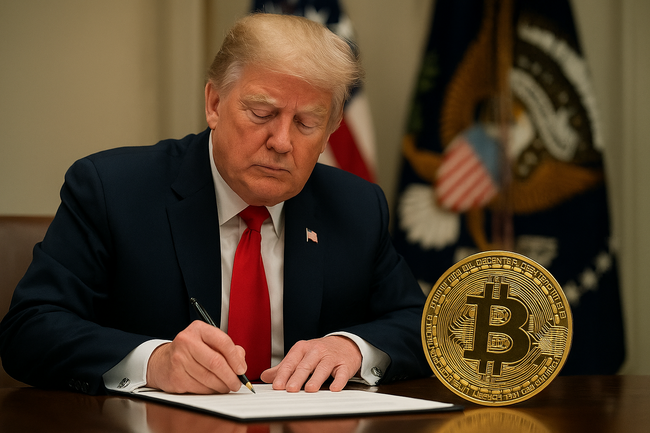
Donald Trump has introduced a new national cyber strategy that sends a clear policy signal to the crypto sector. In the seven-page strategy released on March 6, the White House said the administration aims to build secure technologies and supply chains that protect privacy from design to deployment. The document also highlights support for the security of cryptocurrencies and blockchain technologies.
Advertisement

President Trump's Cyber Strategy for America
Read it here: https://t.co/2gz5wkrJH5 pic.twitter.com/5UOVQJm8Ty
— Rapid Response 47 (@RapidResponse47) March 6, 2026
U.S. Policy Recognizes Blockchain and Crypto as Key Technologies
The wording does not introduce a new crypto law. However, it places blockchain within an official U.S. cybersecurity framework for the first time, clearly and directly. Analysts say this move signals growing recognition of blockchain technology within national digital security planning.
The reference appears under a pillar focused on keeping the United States ahead in critical and emerging technologies. In the same section, the administration also mentions post-quantum cryptography, secure quantum computing, and protection of the artificial intelligence technology stack. This wider context is important. It shows the White House is not looking at blockchain as only a market issue, but as part of the broader digital systems it sees as important for national strength, privacy, and future technology leadership.
The six-page report mentioned crypto and blockchain once, stating, “We will build secure technologies and supply chains that protect user privacy from design to deployment, including supporting the security of cryptocurrencies and blockchain technologies.”
A Broader Push to Secure Digital Systems
The strategy highlights several key goals, including stronger digital defenses, better protection for financial systems, and closer work between government agencies and private companies. Officials believe stronger public-private cooperation can improve cybersecurity and help protect important technologies from rising cyber threats. The administration said it wants to disrupt criminal groups that use digital platforms for fraud, ransomware, and other illegal activity.
There are no specific guidelines outlined for digital assets in the strategy. Instead, it sets a broader security framework that aims to protect new technologies while lowering cyber risks. Many people in the digital asset sector see this as a positive step.
Industry Voices Call It a Meaningful First
Galaxy Digital’s head of firmwide research, Alex Thorn, said in an X post on Friday that the new strategy clearly names crypto and blockchain as technologies the government wants to protect and secure. He also said this appears to be the first time a U.S. cybersecurity strategy has mentioned them directly. Thorn added that Biden’s cyber strategy did not mention crypto or blockchain, and neither did the National Security Strategy released in November last year.
crypto and blockchain are explicitly named as technologies to be “protected and secured.” this is a first for any U.S. cybersecurity strategy. biden’s 2023 version didn’t mention them. the november 2025 National Security Strategy didn’t either
— Alex Thorn (@intangiblecoins) March 7, 2026
Castle Island Ventures partner Nic Carter also reacted to the strategy on X. He said the document shows the administration is taking quantum-related security risks seriously.

eToro Platform
Best Crypto Exchange
- Over 90 top cryptos to trade
- Regulated by top-tier entities
- User-friendly trading app
- 30+ million users

eToro is a multi-asset investment platform. The value of your investments may go up or down. Your capital is at risk. Don’t invest unless you’re prepared to lose all the money you invest. This is a high-risk investment, and you should not expect to be protected if something goes wrong.
Advertisement