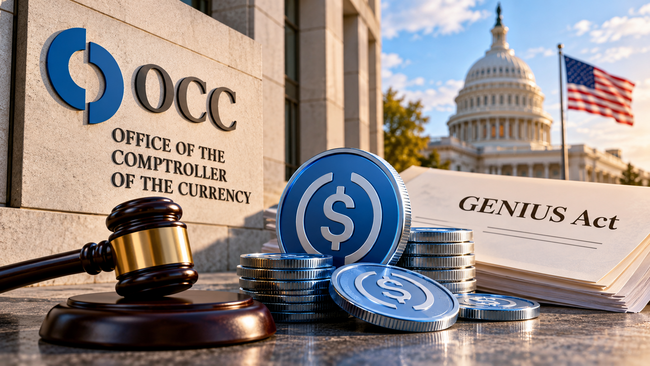
Senate Advances Housing Bill with 2030 Fed CBDC Ban After 84–6 Cloture Vote

Cryptocurrency trading is speculative and your capital is at risk when you trade. We may earn affiliate commissions from some of the products on this page - at no extra cost to you.

Highlights:
- The housing package includes a CBDC ban that would block a digital dollar until 2030.
- Lawmakers advanced the bill with strong bipartisan support after an 84–6 Senate vote.
- The measure allows private dollar stablecoins if they protect privacy like physical cash.
The Senate Committee on Banking, Housing, and Urban Affairs introduced a broad housing package that restricts a U.S. central bank digital currency (CBDC) until 2030. Lawmakers released the more than 300-page text ahead of a key procedural vote in the chamber. The bill focuses on housing supply, affordability, and market competition across the country. However, it also includes a digital currency restriction that sits deep within the document.
Advertisement

🚨NEW: Remember that CBDC ban that didn’t make it into the National Defense Authorization Act (NDAA) last year? It’s just resurfaced in @BankingGOP’s 21st Century ROAD to Housing Act, released minutes ago.
Specifically, it bans the Fed from directly or indirectly issuing a… pic.twitter.com/tfZd4JX4mq
— Eleanor Terrett (@EleanorTerrett) March 2, 2026
Committee Chairman Tim Scott and Ranking Member Elizabeth Warren presented the measure as a bipartisan housing effort. They said the proposal would expand supply and reduce regulatory barriers that increase construction costs. They also addressed concerns about large corporate landlords buying up residential properties. Their public remarks focused on widening access to homeownership for working families.
Today, Chairman @SenatorTimScott officially released the 21st Century ROAD to Housing Act, which will:
✂️ Cut red tape
🔓 Unlock housing supply
⬇️ Lower costs
💰 Generate no new spending pic.twitter.com/NqQ3TQrsA3— U.S. Senate Banking Committee GOP (@BankingGOP) March 2, 2026
Shortly after release, the Senate voted 84–6 to invoke cloture on the motion to proceed. That vote limited extended debate and allowed the bill to move toward full consideration.
The digital currency language does not appear in the housing sections of the bill. Instead, lawmakers placed it near the end under a separate title. That placement reflects a strategy lawmakers often use to move secondary policies. Reports indicate House Republicans pressed to include the anti-digital dollar language in this package.
CBDC Ban Due Date and the Stablecoin Exception
Title X of the package contains the restriction on a central bank digital currency. The text states that the Federal Reserve may not issue or create a U.S. CBDC. The restriction applies to the Board of Governors and to any Federal Reserve bank. It also covers any digital asset that closely resembles a central bank digital currency.
Lawmakers drafted the provision to prevent direct and indirect issuance. The text does not allow the Fed to issue a digital dollar via banks or other intermediaries.
Meanwhile, the bill provides a carveout of some dollar-denominated currencies. According to the text, the Federal Reserve will not forbid any dollar-denominated currency that is open and permissionless. It also mandates that such money uphold privacy protections similar to physical money. This language enables the existence of privately issued stablecoins that can fulfill those requirements.
White House Backing and Earlier Anti-CBDC Efforts
The White House issued a Statement of Administration Policy supporting the housing package and its digital currency provision. The statement emphasized the administration’s opposition to the development of a central bank digital currency (CBDC). Officials said such a system could threaten personal privacy and individual liberty. They linked that concern directly to the language included in the bill.
White House quickly issuing a statement saying they SUPPORT the 21st Century ROAD to Housing Act, touting the ban on institutional investors as well as a prohibition on a central bank digital currency until the end of 2030. https://t.co/UnmkwHjjFT pic.twitter.com/a0AmaF0of5
— Brendan Pedersen (@BrendanPedersen) March 2, 2026
The housing package revives language from earlier efforts in Congress. Senator Mike Lee introduced the No CBDC Act in February last year, but lawmakers did not advance it. Congressman Tom Emmer introduced the Anti-CBDC Surveillance State Act in June. The House passed that bill in July, yet the Senate has not taken final action.
Lawmakers in Washington are still debating whether the United States should ban a CBDC. Meanwhile, some countries have already moved ahead with national digital currency systems. Nigeria, Jamaica, and the Bahamas have operational CBDCs in place. Across Europe, central banks are testing digital euro models in controlled pilot programs as policymakers debate the long-term design choices.

eToro Platform
Best Crypto Exchange
- Over 90 top cryptos to trade
- Regulated by top-tier entities
- User-friendly trading app
- 30+ million users

eToro is a multi-asset investment platform. The value of your investments may go up or down. Your capital is at risk. Don’t invest unless you’re prepared to lose all the money you invest. This is a high-risk investment, and you should not expect to be protected if something goes wrong.
Advertisement