Kraken Becomes First Crypto Firm to Receive Federal Reserve Master Account Approval

Cryptocurrency trading is speculative and your capital is at risk when you trade. We may earn affiliate commissions from some of the products on this page - at no extra cost to you.

Highlights:
- Kraken Financial can now access the Federal Reserve master account system after approval.
- The approval lets Kraken move dollar funds directly without relying on intermediary banks.
- More crypto firms are applying for U.S. banking charters as regulators review digital asset rules.
Kraken’s banking arm has secured access to the Federal Reserve’s payment system after approval from the Federal Reserve Bank of Kansas City. The authorization gives Kraken Financial the ability to settle transactions through Fedwire, the same payment network used by banks and credit unions across the United States.
Advertisement

JUST IN: 🇺🇸 Kraken becomes the first crypto exchange to gain access to the Federal Reserve's core payments system. pic.twitter.com/tSpJbXLE0z
— Watcher.Guru (@WatcherGuru) March 4, 2026
Kraken Financial operates under Payward Financial and holds a special-purpose depository institution charter issued in Wyoming. The company submitted its application for a Federal Reserve master account in 2020. The Kansas City Fed reviewed the request for several years before issuing the approval.
The account allows Kraken to hold balances at the Federal Reserve and move funds directly through the central bank’s settlement infrastructure. Institutions with master accounts can process payments without relying on correspondent banks that normally handle transfers between financial institutions.
The Federal Reserve also has twelve regional reserve banks, which offer master accounts to controlled financial institutions. Such accounts link accredited entities with the core payment infrastructure of the central bank. The Kansas City Fed approved Kraken Financial as a Tier 3 entity, a classification used for institutions that operate with specialized financial services. The account approval also includes restrictions tailored to Kraken Financial’s risk profile and business model.
Inside the Federal Reserve Master Account Framework
Kraken’s account does not include the full services available to commercial banks. The structure does not allow the firm to earn interest on reserves held at the Federal Reserve. Kraken also cannot access Federal Reserve lending facilities such as the discount window.
Regulators designed the account as a limited-purpose arrangement focused on payment settlement. The structure resembles the “skinny master account” concept discussed by Federal Reserve Governor Christopher Waller in late 2025.
Waller proposed the model for firms that focus primarily on payment innovation. The idea allows companies to access the Federal Reserve payment system without operating as full commercial banks. Institutions using the framework can hold reserves and settle payments. However, they cannot lend money or access the central bank’s credit programs. Crypto journalist Eleanor Terrett discussed the decision in a post on X while examining its regulatory implications.
She stated:
“The approval represents a notable change for crypto firms that have long faced barriers inside the U.S. banking system. At the same time, it suggests the Federal Reserve may be taking a more measured approach toward digital asset institutions.”
Anchorage Digital, an OCC-regulated crypto trust bank, has also applied for a master account. Custodia Bank congratulated Kraken on the approval. The firm said it will continue pursuing its own Federal Reserve master account while expanding partnerships with traditional banks.
— Custodia Bank ™ (@custodiabank) March 4, 2026
Kraken Decision Emerges as Digital Asset Firms Seek Banking Charters
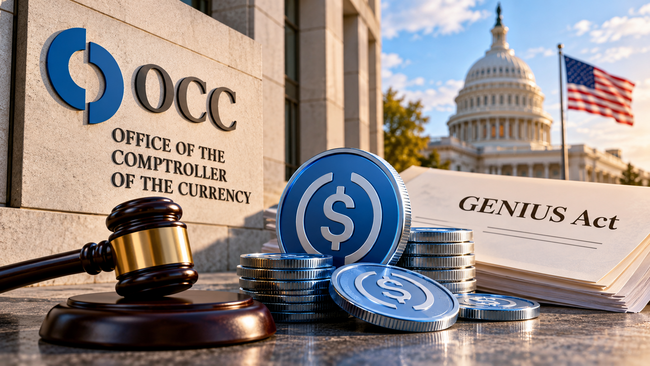
Kraken’s approval arrives as several digital asset companies seek deeper connections with the U.S. banking system. The Office of the Comptroller of the Currency has granted conditional national trust bank charters to several crypto companies. Circle, Ripple, Paxos, Bridge, and Crypto.com have received approvals that allow regulated custody and digital asset services. Coinbase has also filed an application seeking regulatory approval for banking-related services. Stablecoin issuer World Liberty Financial submitted a similar application as well.
Traditional banking groups have raised concerns as more crypto firms seek federal banking permissions. The American Bankers Association has urged the OCC to slow approvals until Congress finalizes the regulatory framework governing digital assets.
🚨BANKS WARN ON CRYPTO GETTING FED ACCESS
The banking lobby says conditional charters tied to unfinished bills like the GENIUS Act could grant crypto firms Fed access before rules are fully defined.
"Once these firms get Fed access and national licensing, we will be talking… pic.twitter.com/vfnplLAPiq
— Coin Bureau (@coinbureau) February 12, 2026

eToro Platform
Best Crypto Exchange
- Over 90 top cryptos to trade
- Regulated by top-tier entities
- User-friendly trading app
- 30+ million users

eToro is a multi-asset investment platform. The value of your investments may go up or down. Your capital is at risk. Don’t invest unless you’re prepared to lose all the money you invest. This is a high-risk investment, and you should not expect to be protected if something goes wrong.
Advertisement