Highlights:
- Ghana SEC allows 11 crypto firms to test services in a new regulatory sandbox environment.
- Sandbox testing period lasts 12 months under regulator supervision and compliance rules.
- Firms may receive licenses after six months if products meet regulatory requirements.
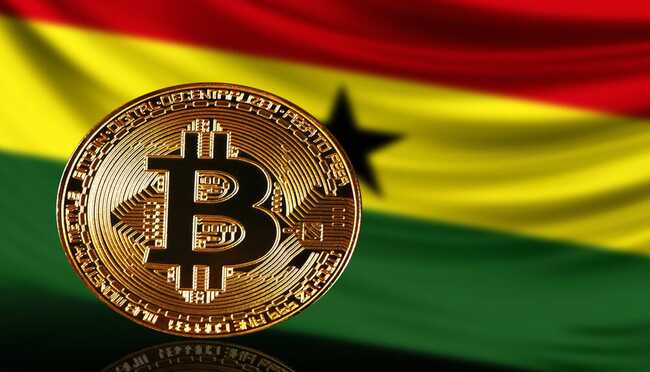
Ghana has moved forward in creating a regulated digital asset market. The Securities and Exchange Commission (SEC) has approved 11 virtual asset service providers to participate in its new regulatory sandbox. The SEC stated that the sandbox is part of implementing the Virtual Asset Service Providers Act, 2025 (Act 1154). This allows selected firms to test crypto products and services under regulatory oversight rather than operating in a legal gray area.
Advertisement
🚨GHANA' SEC GREENLIGHTS CRYPTO SANDBOX
Ghana’s SEC has admitted 11 crypto companies into a 12-month regulatory sandbox to test digital asset products.
The move follows the VASP Act 2025, allowing firms that meet standards to transition to full licensing after six months. pic.twitter.com/FVyqGl0MzO
— Coin Bureau (@coinbureau) March 12, 2026
SEC Gives 11 Crypto Firms a Chance to Test Services
The initial group features 11 companies: Goldbod, HanyPay, Hyro Exchange GH Ltd., Africoin, Blu Penguin, HSB Global, Koinkoin, Whitebits, Vaulta, Xchain, and Bsystem Ltd. Their entry into the sandbox does not mean they have received full operating approval. It only gives them a regulated period to test their services.
The sandbox program will operate for 12 months. After six months, firms with compliant and market-ready products may obtain an activity-based license or registration. Companies requiring additional time can keep testing during the final six months. This gives firms a chance to improve their products while helping the regulator study how these services work in real market conditions. Ghana’s SEC stated the sandbox will offer practical insights to guide future licensing rules for virtual asset businesses.
Ghana Crypto Rules Focus on Compliance and Investor Protection
The SEC also said the sandbox supports broader policy goals. According to the regulator, the pilot is meant to promote responsible innovation, protect market integrity, and strengthen compliance with anti-money laundering and counter-terrorism financing rules. This shows Ghana wants its digital asset market to grow, but without weakening important financial safeguards.
Ghana Builds a Stronger Legal Framework for Crypto
Ghana’s move to regulate crypto did not start with the new sandbox. In July last year, Bank of Ghana Governor Johnson Asiama said the country was already working on rules for digital assets. He also admitted regulators were late, even though many people in Ghana were already using crypto.
That process moved forward in December, when Ghana passed the Virtual Asset Service Providers bill. The law created the legal base for crypto trading and related services to operate under the supervision of the Bank of Ghana and the Securities and Exchange Commission.
Ghana Just Legalized Crypto: Africa’s Bullish Moment Has Started 🇬🇭
Parliament has passed the Virtual Asset Service Providers Bill, making crypto trading legal and regulated.
✔️ No Arrests for Trading Crypto
✔️ Exchanges & wallets must be licensed
✔️ Strong AML & consumer… pic.twitter.com/i4hiAMm56a— Crypto Patel (@CryptoPatel) December 22, 2025
Meanwhile, the recent development is important because Ghana is one of the region’s more active grassroots crypto markets. As the rules become clearer, more users and companies may choose licensed and regulated platforms instead of informal ones. Over time, this could make the market more organized and more trustworthy. Blockchain.com’s expansion into Ghana this month also shows that major crypto firms are already preparing for the country’s more regulated digital asset market.

eToro Platform
Best Crypto Exchange
- Over 90 top cryptos to trade
- Regulated by top-tier entities
- User-friendly trading app
- 30+ million users

eToro is a multi-asset investment platform. The value of your investments may go up or down. Your capital is at risk. Don’t invest unless you’re prepared to lose all the money you invest. This is a high-risk investment, and you should not expect to be protected if something goes wrong.
Advertisement