Highlights:
- Banks rejected the stablecoin rewards deal, and talks on the crypto market bill stalled again.
- Crypto companies say rewards help attract users, while banks fear that stablecoins could draw funds from deposits.
- Lawmakers are facing limited time to pass the CLARITY Act before midterm election campaigns begin.
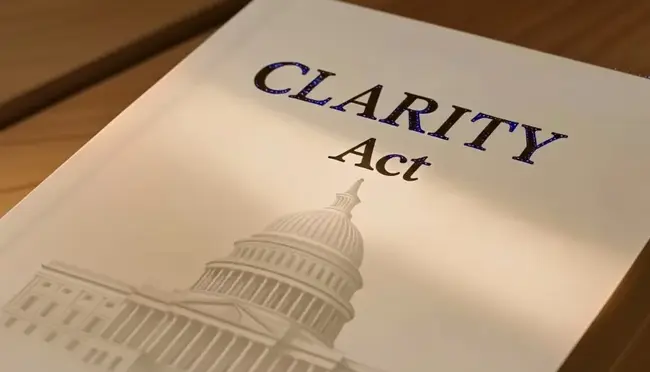
Banks have rejected a compromise proposed by the White House on a major U.S. crypto market bill, according to Reuters. The rejection has renewed uncertainty around the CLARITY Act, a bill designed to establish clear rules for digital assets in the United States.
Advertisement

🚨 BREAKING: US Crypto Bill Hits Major Roadblock! Banks refusing White House compromise on stablecoins, fearing $500B deposit outflow by 2028. Crypto firms like Coinbase & Ripple are on board, but banks want tighter restrictions. Trump vows not to let banks kill our crypto… pic.twitter.com/yVRCTEuv9h
— Xaif Crypto🇮🇳|🇺🇸 (@Xaif_Crypto) March 5, 2026
The White House entered negotiations last month after earlier discussions stalled in January. Officials attempted to broker a middle ground between banks and crypto companies. The proposal allowed stablecoin rewards in limited cases, such as peer-to-peer transfers between users. However, the plan prohibited incentives on idle stablecoin balances.
Crypto companies accepted the compromise after several weeks of discussions. Bank executives, however, said they could not support the proposal. Even modest reward systems, industry representatives cautioned, might lure deposits away to more traditional banks.
Banks depend much on deposits to finance lending. Executives argued that incentives linked to stablecoins could shift funds into digital wallets and reduce liquidity in the banking system. Banking representatives, therefore, asked lawmakers to impose stricter limits on reward programs tied to stablecoins.
The American Bankers Association also expressed concern about the proposal. The group said policymakers must ensure that new rules do not threaten financial stability or economic growth. Banking representatives said they have proposed alternatives to move the legislation forward while protecting deposits.
President Donald Trump criticized banks after negotiations stalled again. He accused financial institutions of delaying progress on digital asset legislation. Trump wrote on Truth Social that the administration would not allow banks to undermine its crypto agenda.
🚨 BREAKING: TRUMP SLAMS BANKS OVER STABLECOIN DISPUTE; SAYS “BANKS ARE TRYING TO UNDERCUT THE GENIUS ACT”
President Trump blasted major banks for allegedly undermining the GENIUS Act and stalling crypto market structure reform, urging Congress to pass the Bill immediately. pic.twitter.com/NCpBPWqdXb
— Coin Bureau (@coinbureau) March 4, 2026
Stablecoin Rewards Deal Divides Digital Asset Industry
The stablecoin rewards deal has emerged as the central dispute in negotiations around the crypto market bill. Digital asset companies argue that reward programs play an important role in attracting new users. Platforms often use incentives to encourage customers to hold and transfer digital assets. Crypto executives say exchanges must offer competitive features to expand their user base. Companies such as Coinbase have argued that banning rewards would place digital platforms at a disadvantage.
Industry leaders also say unclear regulations have slowed business growth for years. Crypto companies have operated in a regulatory gray area in the United States. Supporters of the CLARITY Act say the legislation could define when digital assets qualify as securities or commodities.
Financial institutions view the issue differently. Banks argue that reward programs could accelerate deposit outflows. Standard Chartered estimated that stablecoins could draw roughly $500 billion from U.S. bank deposits by 2028.
The dispute also relates to earlier U.S. stablecoin legislation. That law banned stablecoin issuers from paying interest directly to users. Banks argue that crypto platforms can still offer incentives through reward programs. They say this structure creates a loophole that lawmakers should close.
Political Divisions and Election Timelines Complicate Passage
The crypto market bill is also struggling within the U.S. Senate. A number of senators have defended the stance of the banking industry at the negotiation table. A number of provisions within the legislation are still debated by lawmakers. Certain Democrats would like the bill to limit the ability of elected officials to make money from crypto projects.
Procedural issues also remain unresolved in the Senate. The Senate Banking Committee and the Senate Agriculture Committee have produced separate drafts of the legislation. Lawmakers must reconcile those versions before the bill can move forward. Meanwhile, analysts have stated that geopolitical tensions in the Middle East have redirected congressional focus on matters of security.

eToro Platform
Best Crypto Exchange
- Over 90 top cryptos to trade
- Regulated by top-tier entities
- User-friendly trading app
- 30+ million users

eToro is a multi-asset investment platform. The value of your investments may go up or down. Your capital is at risk. Don’t invest unless you’re prepared to lose all the money you invest. This is a high-risk investment, and you should not expect to be protected if something goes wrong.
Advertisement