Highlights:
- Arizona officials reported losses after scammers increasingly used crypto ATMs to target residents.
- Crypto ATM scams often rely on fear and urgency to manipulate their victims.
- The new state rules limit transactions and require refunds when victims report fraud.
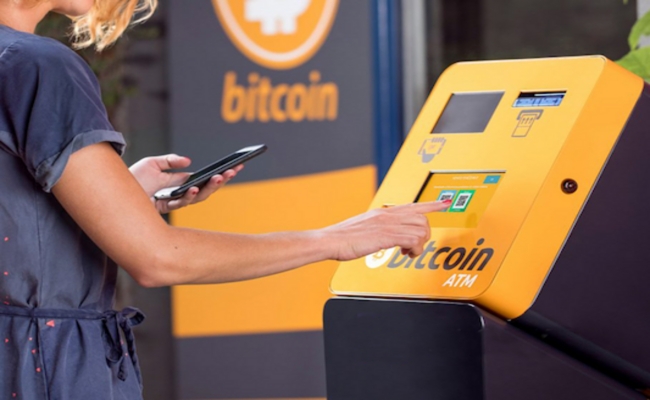
Arizona law enforcement officials issued a statewide alert following a dramatic increase in crypto ATM fraud. Attorney General Kris Mayes reported that residents lost over $177 million in the year 2024. Authorities reported that grievances are being received in both urban and rural areas.
Advertisement

Arizona issues warning as crypto ATM scams hit older adults
— Altcoin Desk (@altcoindesknews) February 3, 2026
According to Mayes, scammers usually contact victims through unsolicited calls or text messages. In many cases, they impersonate banks, law enforcement officers, or distressed relatives. These messages create panic and demand immediate action. As a result, victims withdraw cash and deposit it into nearby crypto kiosks.
At the same time, the Attorney General’s office launched a new fraud complaint form. The form allows victims to report losses within 30 days of the incident. Officials said timely reporting improves the chances of refunds under state law. Law enforcement agencies also urged victims to file police reports without delay.
Arizona currently hosts about 600 crypto ATMs across the state. Authorities said scammers favor these machines because transactions move quickly. In addition, the kiosks lack cooling-off periods and fraud review desks. Because of these gaps, officials said recovery rarely succeeds once funds leave the machine.
How Crypto ATM Scams Trap Victims And Drain Cash Fast
Scammers use fear and urgency to manipulate victims. They usually insist that there are outstanding bills, warrants, or hacked accounts. Victims feel the pressure to fix the problem instantly since the messages sound official. The scammer then instructs them to go to a certain crypto ATM location.
The transaction is completed a few minutes after the victim visits the crypto ATM. The machine converts cash into digital assets without delay. Law enforcement officials said this speed leaves little room for intervention. As a result, funds move beyond recovery almost instantly.
Authorities said crypto kiosks lack protections common in traditional finance. Many machines provide limited identity checks and minimal customer support. In addition, users often interact with automated systems instead of staff. These conditions make kiosks attractive tools for organized fraud.
Arizona is not alone in its concerns, as federal data supports them. According to investigators, there was a 99% growth in crypto ATM complaints in 2024. The total loss amounted to $246 million across the country. A large proportion of victims were older adults. Authorities claimed that scammers specifically attack that group due to increased levels of trust.
Arizona lawmakers responded with stricter rules. The Crypto Kiosk License Fraud Prevention law took effect in September 2025. The law limits daily transactions to $2,000 for new users. Existing users face a $10,500 daily cap. Operators must also issue refunds when victims file police reports within 30 days.
Industry Expansion Continues Despite Tighter Oversight
Alongside new rules, Arizona added visible warnings at kiosk locations. The state partnered with Yavapai County Sheriff David Rhodes to place STOP signs on crypto ATMs. The signs encourage users to pause and verify payment requests. Officials said the goal is to interrupt emotional decision-making.
In the meantime, enforcement measures have extended outside Arizona. Washington, D.C., filed suit against a large kiosk operator due to scam-related deposits. A crypto ATM executive was indicted by Chicago prosecutors on money laundering conspiracy charges. In New York, authorities pushed lawmakers to turn unlicensed crypto activities into criminal acts.
🇺🇸 ATM operator under fire: lawsuit against Athena Bitcoin over hidden fees and scams
The Washington Attorney General has sued Athena Bitcoin, accusing the crypto ATM operator of charging hidden fees of up to 26% and failing to protect users from fraud.
According to the… pic.twitter.com/N2IERgKQYK
— Atlas21 (@Atlas21_eng) September 10, 2025
International regulators increased restrictions as well. Anti-money laundering reforms in New Zealand banned crypto ATMs nationwide. In Australia, governments classified kiosks as high risk after the majority of their use was found to be associated with scams. The city of Spokane was the first one to completely ban the machines in the US.

eToro Platform
Best Crypto Exchange
- Over 90 top cryptos to trade
- Regulated by top-tier entities
- User-friendly trading app
- 30+ million users

eToro is a multi-asset investment platform. The value of your investments may go up or down. Your capital is at risk. Don’t invest unless you’re prepared to lose all the money you invest. This is a high-risk investment, and you should not expect to be protected if something goes wrong.
Advertisement