Highlights:
- SEC has backed Ripple’s argument that speculation alone should not trigger US securities rules.
- Lawmakers have delayed crypto market structure talks while agencies prepare joint coordination meetings.
- The new regulatory drafts propose flexible tests for digital asset classification instead of fixed labels.
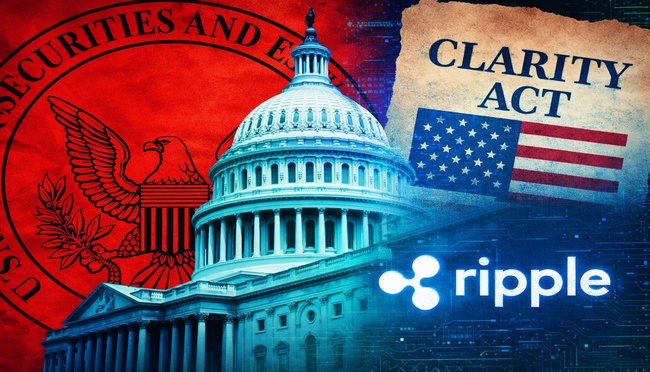
The US Securities and Exchange Commission’s Crypto Task Force has echoed concerns raised by Ripple over passive cryptocurrency ownership. A public response posted to the task force page addressed how federal law should treat token speculation. The submission argued that buying tokens for potential price gains should not trigger securities regulation. It stated that speculation alone does not create investor rights.
Advertisement

🔍 SEC Task Force Addresses Ripple's CLARITY Act Concerns
The SEC's Crypto Task Force has responded to concerns regarding the CLARITY Act, backing Ripple's view that speculation alone should not trigger securities laws. According to Cointelegraph, the task force floated a new…
— Crynet (@crynetio) January 27, 2026
The response was written by digital asset regulation attorney Teresa Goody Guillen. She argued that many token holders receive no contractual protections or governance authority. The filing said regulators should not equate market participation with traditional investment relationships. It warned that such assumptions could distort enforcement outcomes.
Guillen rejected legal frameworks that rely on single-factor tests. She urged regulators to assess digital assets using several characteristics. The submission supported a flexible evaluation approach. It said this method better reflects how digital asset markets function. Guillen clarified that her comments do not establish binding regulatory standards. She also said the views do not reflect the official SEC policy. The submission was filed as public input and was published ahead of ongoing legislative discussions.
SEC Backs Ripple Within Broader Digital Market Restructure Proposal
The public response followed a January submission from Ripple on the CLARITY Act. Ripple urged lawmakers to avoid using decentralization as a governing legal metric. The company also argued that passive economic interest should not trigger securities laws. Ripple stated that speculation does not grant enforceable investor protections. Meanwhile, Coinbase has threatened to pull support for the CLARITY Act due to too many unresolved issues in the draft.
🚨 BREAKING: Coinbase CEO Brian Armstrong WITHDRAWS support for the Senate's current crypto market structure bill (Clarity Act) draft.
"After reviewing the Senate Banking draft text over the last 48hrs, Coinbase unfortunately can’t support the bill as written." pic.twitter.com/a6DQ0VVuV0
— Altcoin Daily (@AltcoinDaily) January 14, 2026
Guillen separately published a discussion draft titled the Digital Markets Restructure Act of 2026. The SEC and CFTC leadership have not approved the draft. The draft suggests reforms in the classification of digital assets. The document was released independently.
The draft introduces a category called Digital Value Instruments. The classification applies to assets that do not fit the securities or commodities definitions. Assets would qualify by meeting at least three of the five characteristics. These include free transferability and passive economic exposure.
Other factors include limited contractual rights for holders. The draft refers to systemic reliance on sponsors or protocols as well. The other contributing factor is a lack of capability to discipline governing systems. The framework seeks to fill these classification gaps.
Legislative Delays and Industry Signals Shape Market Expectations
The CLARITY Act draft further suggests the split of regulatory authority on the basis of asset risk. The SEC would regulate securities such as digital securities. The CFTC would oversee commodities such as assets. The jurisdiction would be based on the nature of assets.
The proposal incorporates federal preemption where state laws are in conflict. It also provides a safe harbor to compliant innovation. The draft aims to reduce inconsistent enforcement across jurisdictions. These provisions would apply during regulatory transitions. The submissions come amid delays surrounding the CLARITY Act. The bill seeks to define oversight roles for digital assets. It would separate powers between the SEC and CFTC. Lawmakers are still reworking the text.
There will be a coordination meeting between the SEC and CFTC later this week. This event will also feature a fireside chat with SEC Chair Paul Atkins and CFTC Chair Mike Selig. The Senate Agriculture Committee delayed its markup after a severe winter storm. The prediction markets now assign a 55% chance that the CLARITY Act will pass by the end of 2026.

eToro Platform
Best Crypto Exchange
- Over 90 top cryptos to trade
- Regulated by top-tier entities
- User-friendly trading app
- 30+ million users

eToro is a multi-asset investment platform. The value of your investments may go up or down. Your capital is at risk. Don’t invest unless you’re prepared to lose all the money you invest. This is a high-risk investment, and you should not expect to be protected if something goes wrong.
Advertisement