Highlights:
- The CLARITY Act separates the roles of the SEC and CFTC, ensuring clear crypto regulation.
- The purpose of the bill is to establish a more stable market environment for investors.
- The bill requires bipartisan support to pass in the Senate.
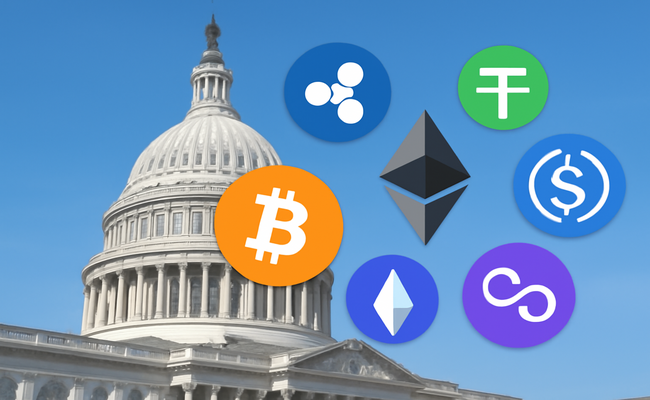
The US Senate Banking Committee has scheduled a date to vote on the CLARITY Act, a crypto regulation bill designed to redefine crypto regulation. The committee will have a markup session on January 15 at 10 AM ET. This will mark the pivotal moment for the crypto industry since the bill will set more stable market conditions and clear rules.
Advertisement

Chairman Tim Scott confirmed the bipartisan support for the bill that has been refined through months of amendments. These adjustments will provide certainty in crypto trading and reduce the risks of manipulation in the market. The committee vote will play a crucial role in deciding whether the CLARITY Act will move on to the full Senate.
Chairman @SenatorTimScott is moving forward on digital asset market structure legislation – delivering clear rules that protect Main Street, keep innovation here at home, and safeguard U.S. national security.
Read his statement on next week’s markup ⬇️ pic.twitter.com/mWBTqwgVsS
— U.S. Senate Banking Committee GOP (@BankingGOP) January 10, 2026
Key Provisions of the CLARITY Act for Crypto Regulation
The CLARITY Act is an essential step in clarifying the regulation of digital assets in the US. The bill proposes that the Securities and Exchange Commission (SEC) and the Commodity Futures Trading Commission (CFTC) separate responsibilities for regulating crypto markets. Most cryptocurrencies will be subject to the CFTC, while token sales and other similar activities remain under the SEC oversight.
This division will define clearer guidelines for both crypto businesses and investors. This separation of authority between the agencies will help in reducing regulatory confusion and promoting more transparency within the market. This, in its turn, could make the crypto market more appealing to institutional investors seeking stable and well-defined rules.
Bipartisan Support Critical for Senate Approval
The CLARITY Act, although having come a long way, is still facing challenges. The bill will require a minimum of 60 votes in the Senate to move forward. The Senate, being divided currently at 53-47, will need the support of both parties. Tim Scott, together with other legislators, has worked to make sure the bill gets the backing from both Republicans and Democrats.
A solid bipartisan vote in the committee will make it more likely for the bill to get through the full Senate vote. If the bill gets past the Senate, it will be sent back to the House for final approval before heading to the President. This process could consequently allow the CLARITY Act to be signed into law by March 2026.
Reducing Market Volatility and Boosting Institutional Confidence
The crypto industry is hopeful that the CLARITY Act will significantly reduce market volatility. Market experts believe that the bill will curb market manipulation, which has been a major issue in the past. If the bill passes, market analyst Crypto Rover predicts that market manipulation could decrease by as much as 70% to 80%.
A CRASH LIKE OCTOBER 10TH WILL NEVER HAPPEN AGAIN 🚨
And here's why:
The Senate banking committee is set to vote on the Clarity Act on 15th Jan.
For those who don't know, the Clarity Act is a proposed US law to end regulatory hurdles for crypto.
With the Clarity Act, the… pic.twitter.com/5orPoPGImZ
— Crypto Rover (@cryptorover) January 9, 2026
This reduction in market volatility could prevent the kind of price crashes that have affected crypto traders in the past. For example, last October’s sudden dip wiped out billions from the market. With clearer regulatory oversight, the chances of similar events happening in the future may be lower.
Furthermore, the bill seeks to address the growing concerns around decentralized finance (DeFi). Advocacy groups, such as ‘Investors for Transparency,’ have raised alarms over provisions related to DeFi. They are lobbying for adjustments before the final vote.

eToro Platform
Best Crypto Exchange
- Over 90 top cryptos to trade
- Regulated by top-tier entities
- User-friendly trading app
- 30+ million users

eToro is a multi-asset investment platform. The value of your investments may go up or down. Your capital is at risk. Don’t invest unless you’re prepared to lose all the money you invest. This is a high-risk investment, and you should not expect to be protected if something goes wrong.
Advertisement