Highlights:
- Spain sets 2026 deadline for full enforcement of MiCA and DAC8 crypto rules.
- More than 60 crypto firms must obtain MiCA licenses to operate legally.
- DAC8 mandates detailed reporting of all crypto transactions to Spanish tax authorities.
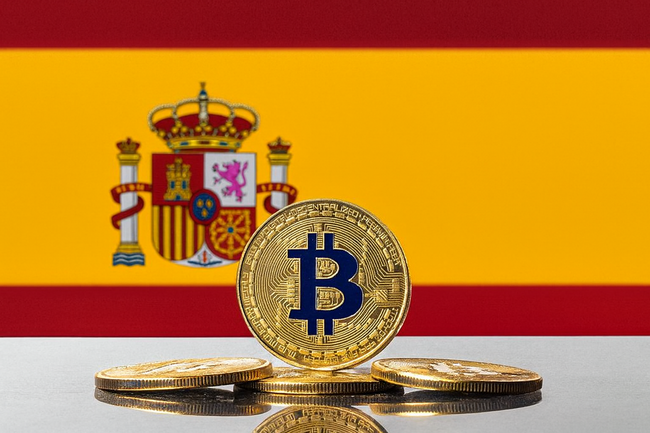
Spain is set to fully enforce European digital asset laws in 2026 following clear guidance from the central government. Authorities plan to align local rules with two European Union frameworks that cover crypto markets and tax reporting.
Advertisement

Reports released on Wednesday confirm that regulators are developing a national crypto rulebook under the Markets in Crypto-Assets Regulation and the Administrative Cooperation Directive (DAC8). Together, these measures place crypto activity under tighter legal and tax control.
Under this framework, tax authorities will gain broader powers, while reporting duties will increase for users and crypto service providers. Officials say early alignment with European rules will close oversight gaps and ensure consistent treatment across European Union member states.
Spain will fully implement two key cryptocurrency regulations in 2026: the EU MiCA and DAC8. MiCA will come into effect on July 1, 2026, requiring all crypto service providers to obtain full authorization to continue operations. DAC8 will be enforced starting January 1, 2026,…
— Wu Blockchain (@WuBlockchain) December 24, 2025
MiCA Licensing and Compliance Rules for Crypto Firms
The Markets in Crypto-Assets Regulation became effective across the European Union in December last year. However, Spain did not apply it in full at that time and instead used the longest transition period allowed under European law.
In early December, national regulators confirmed that full enforcement in Spain will begin in mid-2026. They set July 1, 2026, as the final deadline for firms to meet all licensing and compliance requirements under the regulation. MiCA sets shared rules for issuing and selling digital assets. It defines categories such as utility tokens, security tokens, and stablecoins. At the same time, it places the same compliance duties on all crypto service providers operating in Spain.
Responsibility for enforcing MiCA requirements now rests with the National Securities Market Commission, known as the CNMV. At present, more than 60 companies appear on the regulator’s registry for digital asset services.
These registered firms include Cecabank, Banco Bilbao Vizcaya Argentaria, and Renta 4 Banco. However, registration by itself will not be enough after the July 2026 deadline. In mid-December, the CNMV released updated guidance, including a public question-and-answer notice on how the rules will apply. Once the transition period ends, only companies with full MiCA authorization will be allowed to operate.
DAC8 Tax Reporting and Stricter Oversight
Along with MiCA, Spain is moving ahead with DAC8, a directive focused on tax transparency. Parliament approved the measure in October 2025, and it will take effect on January 1, 2026. Under DAC8, crypto exchanges and service providers must report detailed user data directly to tax authorities. This includes transaction records, account balances, and asset transfers, which removes anonymity on regulated platforms.
The Spanish Tax Agency, Agencia Tributaria, will gain wider enforcement powers through this rule. In cases of unpaid taxes linked to reported activity, authorities may seize digital assets to recover the amounts due.
According to estimates from the European Commission, full adoption of DAC8 across all member states could generate an extra 2.4 billion euros in tax revenue. Spain expects national benefits once reporting systems are active. Data collected during the 2026 fiscal year will begin circulating among European tax offices during 2027. A tax law consultant highlighted the scale of reporting during a recent interview.
“We will have information on all the movements that have been made during 2026 … It will be almost complete information,” said José Antonio Bravo Mateu. “This information will be much greater than that requested from a bank.”
Mateu also noted that traditional banks report only balances above 250,000 euros. Crypto reporting under DAC8 will be different. He said even a small exchange, like two euros for a digital coin, will be tracked, as the rules set no meaningful minimum limits. This strict approach has raised concerns among analysts, who see Spain’s policy as tougher than other European countries’ regulations.

eToro Platform
Best Crypto Exchange
- Over 90 top cryptos to trade
- Regulated by top-tier entities
- User-friendly trading app
- 30+ million users

eToro is a multi-asset investment platform. The value of your investments may go up or down. Your capital is at risk. Don’t invest unless you’re prepared to lose all the money you invest. This is a high-risk investment, and you should not expect to be protected if something goes wrong.
Advertisement